Business Name: BeeHive Homes of Enchanted Hills
Address: 6336 Enchanted Hills Blvd NE, Rio Rancho, NM 87144
Phone: (505) 221-6400
BeeHive Homes of Enchanted Hills
BeeHive Homes of Enchanted Hills offers Assisted Living for your loved ones. 24x7 care in the comfort of a private room with bath. Meals are family style and cooked fresh each day. Stop by today and visit, and see why we always say "Welcome Home!
6336 Enchanted Hills Blvd NE, Rio Rancho, NM 87144
Business Hours
Monday thru Sunday: 9:00am to 5:00pm
Instagram: https://www.instagram.com/beehivehomesriorancho/
YouTube: https://www.youtube.com/@WelcomeHomeBeeHiveHomes
TikTok: https://www.tiktok.com/@beehivehomesriorancho
Families rarely start by asking, "How big is the structure?" when they begin looking for assisted living or senior care. They ask about security, kindness, activities, expenses, possibly memory care. Yet, after years of strolling households through decisions and working inside both large senior communities and small residential homes, I have actually seen one factor predict quality more dependably than practically anything else: size.
The number of residents in a home shapes practically every part of elderly care. It affects how well personnel know each person, how rapidly subtle health modifications are seen, how versatile regimens can be, and whether respite care seems like authentic relief or a stressful interruption.
Large facilities can look remarkable, with chandeliers, bistros, and busy calendars. Smaller assisted living homes typically sit quietly in residential communities, often transformed from single family houses, with six to 10 homeowners and a small car park. From the street, they can appear typical. Inside, the distinction in lived experience is often dramatic.
This short article focuses on that difference, and on when a smaller setting may provide better care for an older adult you love.
What "small" really suggests in assisted living
In practice, "small" normally refers to assisted living homes with somewhere between 4 and 16 homeowners. Licensing classifications vary by state, but you might see terms like:
Residential care home.
Adult family home. Board and care home. Group home. Care home or micro community.These are not marketing labels so much as regulative ones, however the pattern is similar. Small homes normally:
Operate in a home or a small, home like building.
Have only one or two common areas. Utilize a basic, shared cooking area and dining space. Keep staffing tight, often with a couple of caregivers present at a time, plus on call support.Larger assisted living communities might have 50, 100, even 200 residents across numerous wings and floors. They often include different dining rooms, specialized memory care systems, physical therapy health clubs, hairdresser, and a more formalized administrative structure.
Both models can be accredited as assisted living and can legally provide comparable levels of support with activities of daily living: bathing, dressing, medication reminders, mobility help, toileting, and basic health monitoring. The policies do not totally record how various the daily experience feels in a house with eight homeowners versus a school with 120.
Why size matters more than the majority of households realize
The most honest way to discuss it is this: smaller homes make it more difficult to hide. That works in favor of the resident.
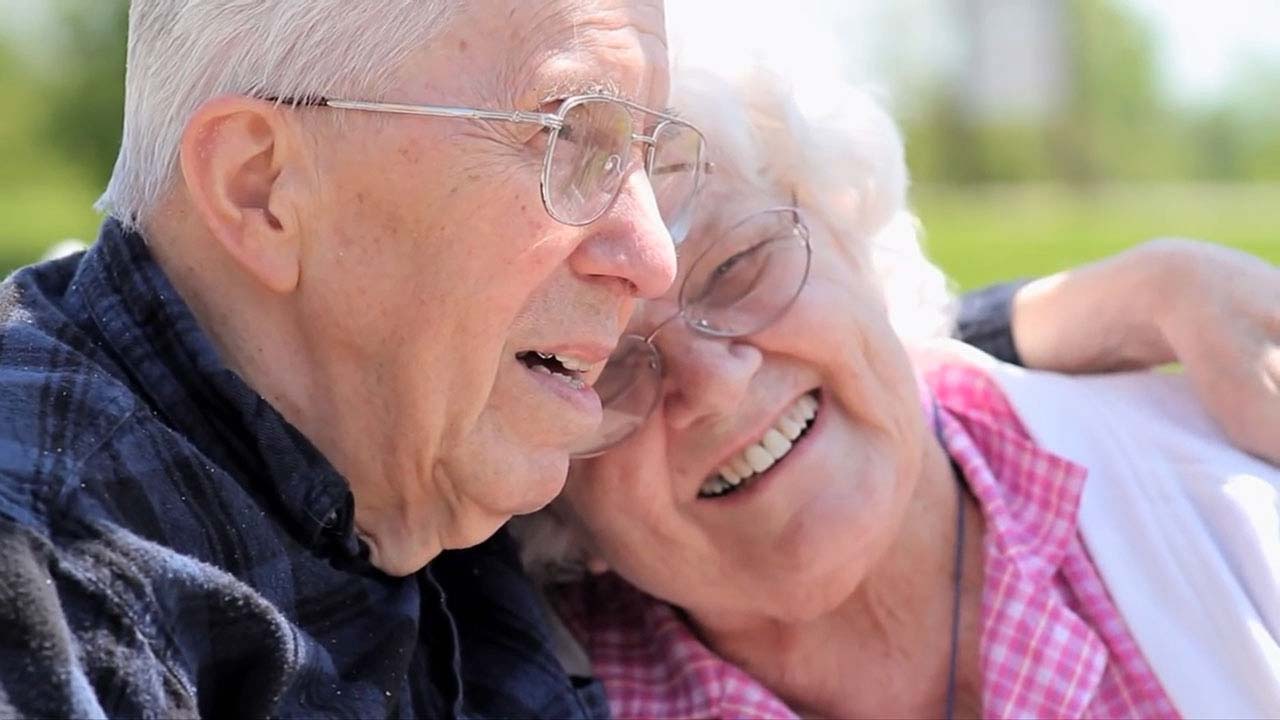
In a neighborhood with 80 citizens, an employee may do their finest, however they are managing more faces, more apartment or condos, more calls. When staffing is tight, locals who are peaceful, introverted, or cognitively impaired are at higher danger of flying under the radar. A small shift in mood, a slower gait, a small reduction in appetite can be simple to miss when a caretaker's job list is large.
In a small assisted living home, there are less locations to vanish to. Meals happen at one table or in one room. Personnel and locals see each other repeatedly throughout the day, not just at scheduled care times. When regimens are that intimate, modifications stand out.
This has useful effects:
An early urinary tract infection is caught since someone notifications that Mrs. Lopez is requesting the restroom regularly and seems "foggy" compared to yesterday.
A subtle medication negative effects is flagged because Mr. Kumar, who generally completes breakfast, has left half his plate untouched three days in a row. A quiet resident who seldom complains is seen recoiling when moving out of elderly care a chair, and the team member has adequate time and rapport to ask follow up questions.Health care professionals call this continuity and familiarity. Families typically describe it more simply: "They actually know Mom here."
How smaller homes alter personnel relationships
Caregiver ratios are important, but they do not inform the complete story. A large assisted living facility might promote 1 staff member for each 10 homeowners. A small home might state 1 to 5 or 1 to 8. On paper, these look comparable when you consider day versus night, peak versus low activity times.
The difference lies less in the numbers and more in the pattern of contact.
In a big structure, personnel assignments change routinely. One week, a resident may have a particular assistant assisting with bath and dressing. The next week, someone else covers that hallway due to staffing modifications. Managers do their best to preserve connection, however with dozens of workers and numerous shifts, variation is inevitable.
In a small assisted living home, there are simply fewer people on the schedule. The very same caretaker may assist with breakfast, medication tips, showers, and evening routines for the exact same handful of locals, day after day. Gradually, this consistency enables staff to:
Learn everyone's standard routines and quirks.
Detect minor discrepancies that might signify trouble. Develop enough trust that homeowners share issues more freely. Notice relational problems, such as 2 citizens who argue consistently or a brand-new resident who feels left out.One caretaker once informed me, about a six resident home where she worked, "There is no faking it here. If you are in a bad mood, they all feel it. And if among them is off, we feel that too." That mutual exposure can be mentally requiring, but it keeps the caregiving relationship authentic.
Daily life: regular, flexibility, and control
Many households picture assisted living as a place with jam-packed activities calendars and social choices at every hour. Big communities strive to supply that: motion picture nights, bingo, lectures, workout classes, trips, religious services, live music. For some senior citizens, especially those who are outgoing and mobile, this variety is energizing.
Small homes seldom have that scale of shows. Instead, they offer a quieter rhythm. The living room may host a basic exercise session with light weights. A volunteer comes by to play guitar on Thursdays. A team member establishes a puzzle at the table. An outing may be a trip in a van to the park, not a big arranged excursion.
What small homes can typically provide, however, is greater versatility and personal control for citizens who do not fit into a rigorous group schedule.
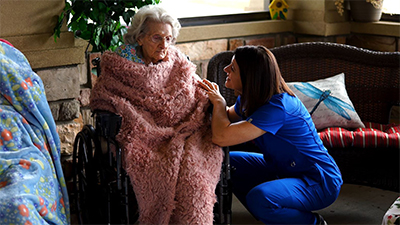
If a resident is used to waking at 9:30 and chooses coffee before discussion, a caretaker in a small home is more likely to accommodate that choice. They are not hurrying to get 25 individuals dressed and into the dining-room before a fixed breakfast window closes. If someone is having a hard morning with arthritis discomfort, there is more room to change timing.
Meals are another example. In lots of big assisted living communities, menus are prepared weeks in advance. Residents choose from numerous alternatives, which can be rather nice, but the kitchen runs on a tight system: breakfast is served from 7:30 to 9:00, lunch from 11:30 to 1:30, therefore on.
In a small home, the food typically looks more like family style cooking. There may not be five meal choices, however the cook can react on the fly. If 2 citizens long for oatmeal rather of eggs, it is easier to say yes. If somebody has a favorite soup that advises them of home, the personnel might have the ability to include it more quickly into the rotation.
For senior citizens with cognitive decrease, including early to mid stage dementia, this versatile, home like environment often feels less frustrating. There are less hallways, less rooms to puzzle, less faces to track. The exact same couch, the same pet sleeping in the corner, the very same caregiver singing while she sets the table. Predictability can be exceptionally calming.
Respite care: when a short stay needs to seem like a safe harbor
Respite care, in plain language, is brief term assisted living or elderly care that offers family caregivers a break. It may be a week while a child travels for work, a month while a partner recuperates from surgical treatment, or a few days to prevent burnout after a challenging season.
In large senior care communities, respite residents often feel like visitors in a hotel: admitted, oriented, then combined into an existing system. Personnel might be kind, however they are handling a full house. It can take a while for a momentary resident's choices and history to be understood beyond the essentials in the chart.
Smaller assisted living homes deal with respite care differently almost by design. When there are eight citizens rather of eighty, a brand-new arrival stands apart. The personnel will naturally spend more time in direct contact, helping with unpacking, signing up with meals, and folding the individual into day-to-day regimens. Regular locals likewise notice and, in many homes, welcome the new person with a type of casual hospitality that is difficult to script.
I have seen respite stays in small homes end up being pivotal moments. One kid utilized a two week respite for his mother in a 6 bed home while he looked after urgent service out of state. He returned expecting guilt and tears. Instead, his mother greeted him with, "You look worn out. Did you eat?" and a list of brand-new good friends she had actually made. She picked to relocate numerous months later, not out of pressure, however due to the fact that the respite stay showed her that assisted living could seem like extended family rather than institutionalization.
That said, respite care in small homes does have limits. Capability is tight, and a single respite bed can be difficult to secure. Planning ahead matters more, specifically around vacations and summer season when household caregivers are more likely to travel.
Key differences between small and large assisted living homes
The following contrast is streamlined, but it records patterns many families discover when they tour both options.
- Atmosphere: Large communities tend to seem like hotels or campuses, with lobbies and numerous wings. Small homes feel closer to a shared family, often quieter and less polished, but typically more familiar. Social life: Big settings can offer more structured activities and a bigger pool of prospective pals. Small homes rely more on organic discussion, personnel engagement, and small group interactions. Staff relationship: In large facilities, residents might engage with lots of employee, which can be energizing however likewise impersonal. In small homes, relationships are fewer and closer, with more continuity. Flexibility: Larger operations rely on schedules and systems to function, which can restrict versatility. Smaller homes frequently adapt more around private regimens, though they may provide fewer formal choices overall.
Neither is widely "better," however for many elders who are frail, shy, quickly overwhelmed, or dealing with memory, the trade offs frequently prefer the smaller environment.
Clinical outcomes: what we actually see over time
There is minimal large scale research that straight compares results between small and big assisted living designs, partially since licensing classifications differ by state and data can be unpleasant. Still, patterns emerge in practice.
Families and healthcare providers frequently report:
Slower functional decrease in small homes, especially for citizens with moderate disability who get hands on cueing and assistance throughout the day instead of only at set up times.
Less avoidable hospitalizations due to dehydration, missed out on medications, or late acknowledgment of infections. These concerns are not distinct to big communities, however they are less likely to advance undetected in a smaller, more securely observed setting. Much better behavioral stability for residents with dementia, most likely tied to lower ecological stimulation, constant staffing, and easier routines.At the exact same time, bigger senior care neighborhoods often offer much better access to on website services such as going to physicians, lab draws, physical therapy, or specialized centers. They might likewise have more robust emergency action systems, official fall avoidance programs, and security infrastructure.
A frail older adult with numerous complicated medical conditions might benefit from a larger setting if that setting is connected to a continuum of care: competent nursing, rehabilitation, palliative care. A fairly stable elder who generally requires help with day-to-day jobs and companionship may grow more in a small assisted living home where life feels less medicalized.
The trade offs: smaller is not always easier
It is tempting to glamorize small homes as generally warm and attentive. The truth is more nuanced.
Staff burnout can be a threat. With just a couple of caretakers, personality conflicts or personnel turnover struck harder. If a cherished caregiver leaves, all citizens feel that loss. Leadership quality matters as much as size.
Regulation and oversight are likewise irregular. Some states carefully keep an eye on residential care homes with regular assessments and transparent reporting. Others are looser. A smaller home that is improperly run can conceal major deficiencies behind a friendly facade.
Families should likewise recognize limitations of scope. Many small homes are not created to manage:
Complex medical devices such as ventilators or comprehensive IV therapies.
Regular two individual transfers requiring heavy equipment. Extreme behavioral issues such as ongoing aggression, wandering that persists in spite of interventions, or intense exit seeking.The best small assisted living homes are truthful about what they can and can not securely manage. They partner with home health, hospice, or outdoors clinicians when required, and they interact early when a resident's requirements may outgrow their model.
How to assess a small assisted living home
Touring a small home feels various from going to a huge facility. There is often no sales brochure rack, no marketing director, no grand lobby. In some cases a caretaker unlocks while stirring a pot on the stove. This informality can be refreshing, however it also implies you should be more intentional about what you observe and ask.
Here is a short, practical checklist to bring with you:
- Ask about staffing: The number of caregivers are on duty throughout days, nights, and nights? Who covers when someone hires sick? Clarify medical support: Who manages medications, and how are they saved and tracked? Which checking out doctor come regularly? Explore regimens: How repaired are wake times, meals, and activities? How do they adapt to a resident who prefers a various rhythm? Discuss end of life: Can the home support locals through serious decline with hospice participation, or do they generally move individuals out? Request recommendations: Can they link you with a couple of existing or previous relative willing to share their experience?
During the visit, trust your senses. Odor matters. Sound levels matter. View how personnel talk with residents when they believe no one is really listening. Are they using labels or titles the resident plainly prefers? Do they crouch to eye level or talk from throughout the space? Tone and body language frequently speak more loudly than policies.
I likewise recommend showing up a couple of minutes early or staying a couple of minutes past the formal tour. That unscripted time reveals more of the genuine rhythm of the place.
Cost, openness, and what you in fact get for your money
Families often presume that small assisted living homes are more affordable because they look easier, without grand architecture or big dining-room. That is not always the case.
Costs vary widely by area, however numerous patterns tend to appear:
Base rates in small homes can be similar to, or somewhat lower than, mid variety big communities in the same area.
Care level charges are often more simple, sometimes bundled as "all inclusive" in extremely small homes so that boosts in support do not create endless small surcharges. Additional services such as on website beauty salons, transport to remote visits, or complex treatments may not be offered, so households should budget independently if those are needed.The key is to ask detailed concerns about what is included. Two homes charging the same monthly cost might deliver very various things. For instance, one may include incontinence materials, medication management, and escort to meals. Another may charge additional for each of those pieces.
Transparent small homes are generally rather direct when you ask, "If my mother's needs increase with time, what type of cost modifications should we anticipate?" Beware unclear responses that lean too greatly on "We will work with you" without clear parameters.
When a larger assisted living neighborhood may be the better fit
Despite the lots of advantages of smaller homes, there are scenarios where a larger senior care community is more appropriate.
An elder who is extremely social, loves occasions, and enjoys variety might feel stifled in an extremely small environment. They may want a choice of three workout classes, a book club, a choir, and a woodworking group. A big neighborhood is better geared up to offer that menu.
Some families also desire a continuum of care on one school: independent living, assisted living, memory care, nursing home. They value the capability to move a loved one between levels of care without altering familiar surroundings entirely. Small homes usually can not supply that range.
Transportation can matter too. Larger communities often run set up shuttle bus to shopping centers, spiritual services, and cultural events. Small homes might provide basic transportation to medical appointments, however very little beyond that.
Finally, if a person has very intricate medical requirements that stop short of needing a competent nursing center, a larger assisted living neighborhood with on website medical support may be more secure. Examples consist of regular need for on site lab monitoring, complex wound care, or tight coordination with numerous specialists.
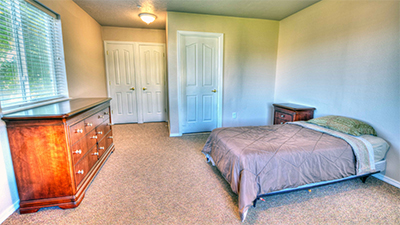
The point is not to treat small as instantly remarkable, however to match the environment to the person.
Bringing it back to the individual
Assisted living, respite care, and long term elderly care choices are never ever only about square footage or staffing grids. They have to do with a human life in a particular season, with a specific history, personality, and set of vulnerabilities.
When you stand at the crossroads between a big, sleek senior care campus and a modest, eight bed home on a peaceful street, attempt to imagine your loved one not just moving in, however living there on a common Tuesday in February.
Where will they likely feel seen, not just served?
Where will small changes be seen and acted on before they become crises? Where will their peculiarities be understood as part of who they are, not treated as problems to manage?For lots of older grownups, especially those who are physically fragile, quickly overstimulated, or living with amnesia, the response is frequently the smaller assisted living home, where scale works in favor of intimacy, and where life still seems like life, not a schedule.
That option will not fix every problem. Caregiving is hard work, in any setting. But when size lines up with requirement, it ends up being much more likely that your loved one's ins 2015 will be formed by familiarity, responsiveness, and genuine connection, rather than by the logistics of a large system attempting, sometimes unsuccessfully, to keep up.
BeeHive Homes of Enchanted Hills provides assisted living care
BeeHive Homes of Enchanted Hills provides memory care services
BeeHive Homes of Enchanted Hills provides respite care services
BeeHive Homes of Enchanted Hills supports assistance with bathing and grooming
BeeHive Homes of Enchanted Hills offers private bedrooms with private bathrooms
BeeHive Homes of Enchanted Hills provides medication monitoring and documentation
BeeHive Homes of Enchanted Hills serves dietitian-approved meals
BeeHive Homes of Enchanted Hills provides housekeeping services
BeeHive Homes of Enchanted Hills provides laundry services
BeeHive Homes of Enchanted Hills offers community dining and social engagement activities
BeeHive Homes of Enchanted Hills features life enrichment activities
BeeHive Homes of Enchanted Hills supports personal care assistance during meals and daily routines
BeeHive Homes of Enchanted Hills promotes frequent physical and mental exercise opportunities
BeeHive Homes of Enchanted Hills provides a home-like residential environment
BeeHive Homes of Enchanted Hills creates customized care plans as residents’ needs change
BeeHive Homes of Enchanted Hills assesses individual resident care needs
BeeHive Homes of Enchanted Hills accepts private pay and long-term care insurance
BeeHive Homes of Enchanted Hills assists qualified veterans with Aid and Attendance benefits
BeeHive Homes of Enchanted Hills encourages meaningful resident-to-staff relationships
BeeHive Homes of Enchanted Hills delivers compassionate, attentive senior care focused on dignity and comfort
BeeHive Homes of Enchanted Hills has a phone number of (505) 221-6400
BeeHive Homes of Enchanted Hills has an address of 6336 Enchanted Hills Blvd NE, Rio Rancho, NM 87144
BeeHive Homes of Enchanted Hills has a website https://beehivehomes.com/locations/enchanted-hills/
BeeHive Homes of Enchanted Hills has Google Maps listing https://maps.app.goo.gl/5LqAWwumxTEeaW5p7
BeeHive Homes of Enchanted Hills has Instagram page https://www.instagram.com/beehivehomesriorancho/
BeeHive Homes of Enchanted Hills has an YouTube page https://www.youtube.com/@WelcomeHomeBeeHiveHomes
BeeHive Homes of Enchanted Hills won Top Assisted Living Homes 2025
BeeHive Homes of Enchanted Hills earned Best Customer Service Award 2024
BeeHive Homes of Enchanted Hills placed 1st for Senior Living Communities 2025
People Also Ask about BeeHive Homes of Enchanted Hills
What is BeeHive Homes of Enchanted Hills Living monthly room rate?
The rate depends on the level of care that is needed. We do a pre-admission evaluation for each resident to determine the level of care needed. The monthly rate is based on this evaluation. There are no hidden costs or fees
Can residents stay in BeeHive Homes until the end of their life?
Usually yes. There are exceptions, such as when there are safety issues with the resident, or they need 24 hour skilled nursing services
Do we have a nurse on staff?
No, but each BeeHive Home has a consulting Nurse available 24 – 7. if nursing services are needed, a doctor can order home health to come into the home
What are BeeHive Homes’ visiting hours?
Visiting hours are adjusted to accommodate the families and the resident’s needs… just not too early or too late
Do we have couple’s rooms available?
Yes, each home has rooms designed to accommodate couples. Please ask about the availability of these rooms
Where is BeeHive Homes of Enchanted Hills located?
BeeHive Homes of Enchanted Hills is conveniently located at 6336 Enchanted Hills Blvd NE, Rio Rancho, NM 87144. You can easily find directions on Google Maps or call at (505) 221-6400 Monday through Sunday 9:00am to 5:00pm
How can I contact BeeHive Homes of Enchanted Hills?
You can contact BeeHive Homes of Enchanted Hills by phone at: (505) 221-6400, visit their website at https://beehivehomes.com/locations/enchanted-hills/ or connect on social media via Instagram TikTok or YouTube
Residents may take a trip to Mountain view Park . Mountain view Park offers accessible paths and seating areas suitable for assisted living, memory care, senior care, elderly care, and respite care strolls.